
 |
 |
 |
 |
|
ArticlesBreastfeeding BasicsHow Breasts Produce Milk
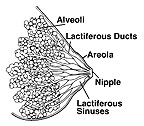
Milk is produced and stored in the alveoli (glandular tissue) of the breasts. It collects in lactiferous sinuses (pockets or reservoirs) located beneath the areola (the dark area around the nipple) until it is released by a baby's sucking. Stimulation of the nipples causes the mother's pituitary gland, located in the brain, to secrete prolactin, the hormone that initiates and maintains milk production. The first milk your baby receives at each feeding is the milk stored in the lactiferous ducts between feedings. This low-fat foremilk is high in protein and satisfies the baby's initial hunger and thirst. As breastfeeding continues, the hormone oxytocin is secreted, which causes the tissue around the alveoli to contract, thus squeezing the high-fat hindmilk (which provides a baby with more calories) down the ducts and into the pockets where it satisfies your baby's hunger. This publication is for general informational purposes only and it is not intended to provide any reader with specific authority, advice or recommendations. Where you deem necessary, we suggest that you seek advice regarding your particular situation from the appropriate professional. Copyright© 2001, LifeCare®, Inc. |
 |


|
 |
 |
© 2017 LifeCare® Inc. Legal Information | Privacy Policy | Help Desk |